

Crawl Space Waterproofing 101: Moisture, Air Quality, and Structural Risks
Trust the experts … Trotter offers lifetime warranties since 1929!
Basement Waterproofing • Crawl Space Waterproofing • Structural Repair • Drainage
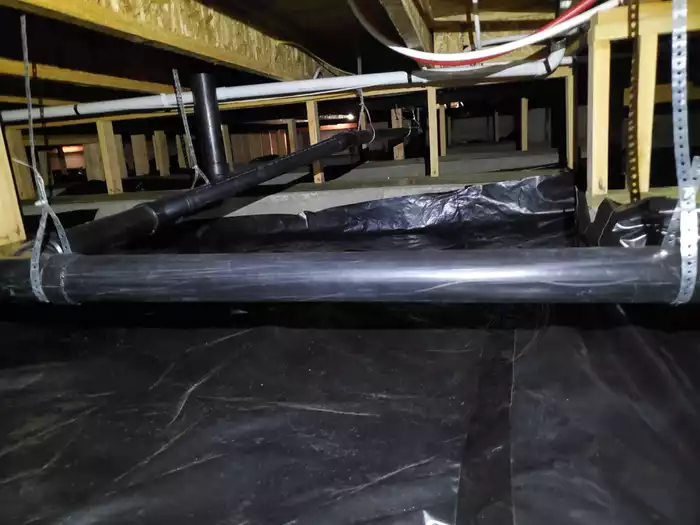
TL;DR: Your crawl space does more for your home than you might think, and when moisture gets in, the damage it causes reaches far beyond that dark space under your floor. Crawl space waterproofing is one of the most important investments a homeowner can make to protect their property, their air quality, and the long-term structural integrity of their home. If your crawl space has a moisture problem, it won’t fix itself.
- Excess moisture in a crawl space leads to mold, wood rot, and pest infestations
- Air quality in your living space is directly affected by what’s happening below your floors
- Structural damage from prolonged moisture exposure is expensive and progressive
- A properly waterproofed crawl space reduces energy costs and extends the life of your home
- Professional crawl space waterproofing solutions address the source of the problem, not just the symptoms
Most homeowners rarely think about their crawl space until something goes wrong. It’s out of sight, hard to access, and easy to ignore. That’s exactly what makes it one of the most vulnerable areas in the entire home. Water infiltrates crawl spaces through a variety of pathways. Once moisture takes hold in that enclosed space, the damage compounds quietly.
Understanding the three core risks that moisture creates in a crawl space, namely humidity and mold, air quality degradation, and structural damage, is the starting point for understanding why waterproofing crawl space systems matter and why acting early saves money in the long run.
Moisture: Where the Problem Starts
Moisture is the root cause of virtually every crawl space problem a homeowner will face, and it gets in through more pathways than most people realize.
How Moisture Gets In
Crawl spaces sit directly on or near the soil, which means they’re in constant contact with ground moisture. Rain events saturate the soil around and beneath your foundation, and that water has to go somewhere.
Water migrates into the crawl space through foundation walls, floor joints, and bare soil. Condensation adds another layer, since warm, humid air meeting the cooler surfaces inside a crawl space creates moisture that accumulates on wood framing, insulation, and any surface it contacts.
What Moisture Does Once It’s There
The consequences of unchecked crawl space moisture or water intrusion build slowly but they build consistently, and by the time most homeowners notice them the damage is already well underway.
Standing water and persistent humidity create ideal conditions for mold and mildew growth. Wood framing begins to absorb moisture and soften over time. Insulation loses its effectiveness when wet and can become a breeding ground for bacteria.
Pests, including termites, rodents, and wood-boring insects, are drawn to damp, dark environments and use compromised wood as both shelter and food. A crawl space moisture problem that gets ignored for a season turns into a significantly more expensive repair by the time a homeowner notices it from inside the living space.
Air Quality: The Hidden Consequence
What happens in your crawl space doesn’t stay in your crawl space, and that’s the part most homeowners are surprised to learn.
The Stack Effect
Here’s something most homeowners don’t realize: the air in your crawl space becomes the air in your home. It’s called the stack effect. As warm air rises through your home and escapes through the upper levels, it draws air upward from below, pulling crawl space air through floor gaps, utility penetrations, and any unsealed opening between the crawl space and your living areas.
If that crawl space air carries mold spores, allergens, VOCs from decomposing organic material, or the byproducts of pest activity, all of it gets pulled into the air your family breathes every day.
What Poor Crawl Space Air Quality Looks Like
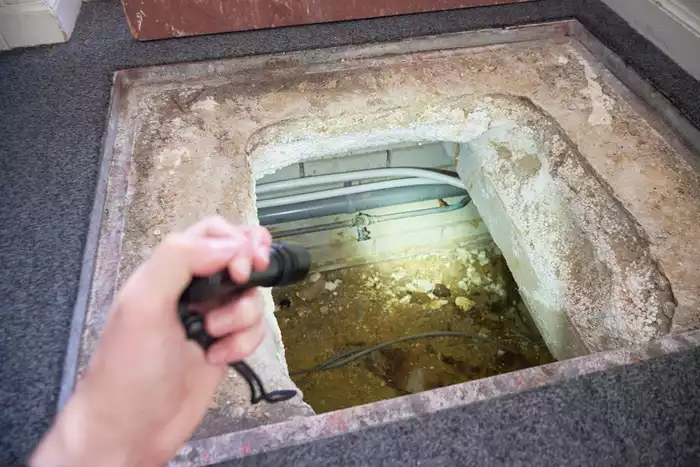
The signs of crawl space air quality problems aren’t always obvious, and they’re frequently misattributed to other causes before the crawl space connection is made.
Persistent musty odors in the home, increased allergy symptoms, unexplained respiratory irritation, and elevated humidity in the living space are all potential indicators that the crawl space is affecting indoor air quality.
Families with young children, elderly members, or anyone with respiratory conditions are particularly vulnerable to the effects of contaminated air migrating up from below. Addressing moisture at the source through proper crawl space waterproofing directly improves the air quality throughout the entire home, not just the crawl space itself.
Structural Risks: The Long Game
Structural damage from crawl space moisture is the most expensive consequence of the problem, and it’s the one that takes the longest to become visible.
Wood Rot and Framing Damage
The floor joists, beams, and subflooring that make up your home’s structural foundation all run through or above the crawl space. Prolonged moisture exposure causes wood to rot from the inside out. By the time you notice soft spots in your floor or visible sagging, the underlying damage is typically far more extensive than the surface symptoms suggest.
Wood rot is progressive and doesn’t stop on its own. Once it takes hold in framing members, it spreads to adjacent wood and weakens load-bearing components that the entire structure above depends on.
Foundation Deterioration
Water doesn’t just affect the wood in your crawl space — it works on your foundation as well, and the damage it causes there serious.
Repeated freeze-thaw cycles, hydrostatic pressure from saturated soil, and the chemical interaction between water and concrete all contribute to foundation cracking, spalling, and long-term structural movement. In Georgia’s climate, where expansive clay soils shift with moisture changes, this process is accelerated in ways that homeowners in other regions don’t face to the same degree.
The Cost of Waiting
Putting off a crawl space moisture problem never saves money. It only delays the bill while the total gets larger.
Structural repairs are among the most expensive categories in residential construction. The cost to repair or replace rotted floor joists, damaged beams, or a compromised foundation dramatically exceeds what proactive waterproof crawl space systems cost to install. Every season that a moisture problem goes unaddressed adds to the eventual repair bill.
Frequently Asked Questions
Is encapsulating a crawl space a good idea?
Yes, encapsulating a crawl space is one of the most effective things a homeowner can do to protect their property. A properly sealed and encapsulated crawl space controls moisture, improves air quality, reduces energy costs, and protects structural components from the long-term effects of humidity and water infiltration. The key word is properly — a professional assessment ensures the sealing approach fits your specific drainage and moisture conditions.
What are other benefits crawl space encapsulation?
Besides huge benefits of improved air quality of your entire home and family, a crawl space encapsulation will:
- Create additional storage
- Save on Energy Costs
- Helps Keep Insects Out
- Create Additional Storage
- Prevents Moisture Problems
Will homeowners insurance cover water in a crawl space?
It depends on the cause and your specific policy. Sudden and accidental water damage like a burst pipe may be covered. Gradual moisture intrusion, groundwater seepage, and flooding are typically excluded from standard homeowners policies. Review your policy carefully and speak with your insurance provider to understand exactly what your coverage includes. In most cases, proactive waterproofing is a homeowner’s responsibility.
When should you not encapsulate a crawl space?
Encapsulation isn’t always the right first step. If there are active drainage problems, significant standing water, existing mold growth, or structural damage present, those issues need to be addressed before encapsulation goes in. Sealing a crawl space over unresolved problems can trap moisture and accelerate damage rather than prevent it.
A professional assessment from a Trotter will identify the right sequence of repairs and determine whether encapsulation is appropriate for your specific situation.
Trotter’s Crawl Space Waterproofing Service
Trotter Company has been solving crawl space moisture problems for homeowners across Georgia with a systematic, professional approach that addresses the source of the issue rather than masking the symptoms.
Our crawl space waterproofing service includes a thorough assessment of your specific moisture conditions, drainage needs, and structural assessment before recommending the right solution for your home. Depending on what the assessment reveals, Trotter’s solutions may include interior drainage systems, vapor barriers, encapsulation, and dehumidification systems, all installed by our experienced professionals who understand Georgia’s unique soil and climate conditions.
Get a free estimate from Trotter today and find out exactly what your crawl space needs.