

Understanding Basement Waterproofing System Benefits in Georgia
Trust the experts … Trotter offers lifetime warranties since 1929!
Basement Waterproofing • Crawl Space Waterproofing • Structural Repair • Drainage
TL;DR: Georgia’s clay-heavy soil and humid climate create persistent moisture challenges for homes with basements. A properly installed basement drainage system manages water before it causes structural damage, mold growth, or flooding. Understanding the different types of systems available helps you choose the right solution for your home’s specific conditions.
- Georgia’s red clay soil retains water and puts constant hydrostatic pressure on foundations
- Interior and exterior drainage systems address moisture from different angles
- Sump pumps, French drains, and channel drains are the most common solutions
- Proper drainage protects your foundation, your air quality, and your property value
- Early installation costs far less than repairing water damage after the fact
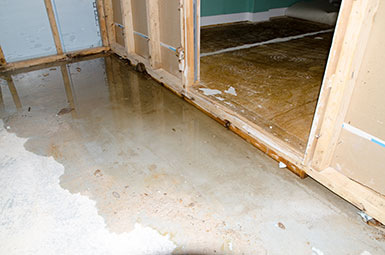
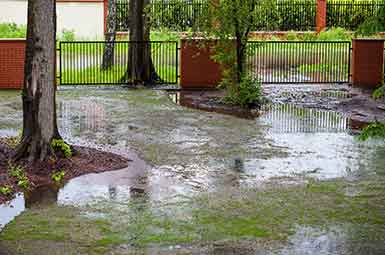
If you own a home with a basement in Georgia, moisture management isn’t optional. The combination of heavy seasonal rainfall, high humidity, and clay soil that holds water like a sponge creates conditions that push moisture against your foundation walls and up through your basement floor year-round. Without proper basement drainage, that water finds its way inside, and the damage it causes compounds over time. Here’s what you need to know about the systems that keep Georgia basements dry.
Basement Drainage Systems
So, how does a drainage system work in a basement? The true answer is that it depends! There are several types of basement drainage systems designed to intercept and redirect water before it becomes a problem. The right choice depends on where the water is entering, how much volume you’re dealing with, and the layout of your home’s foundation.
Interior French Drain System
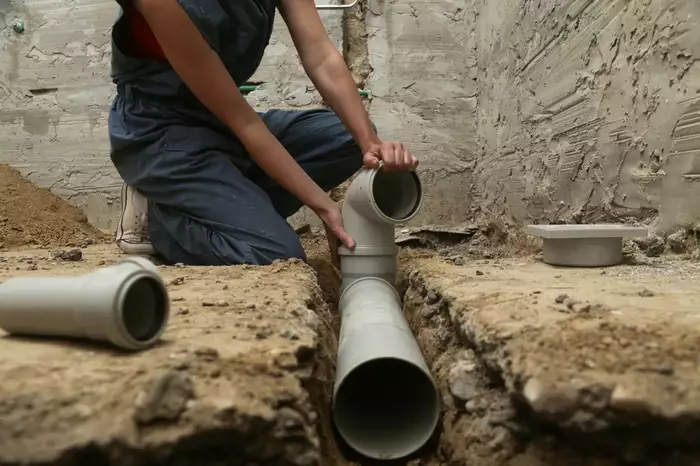
An interior basement drainage system is one of the most effective solutions for homes that are already experiencing water intrusion. This system involves cutting a narrow channel along the interior perimeter of your basement floor, installing a perforated drain pipe in a bed of gravel, and routing the collected water to a sump pump that discharges it away from your foundation.
The benefits of an interior French drain include:
- Intercepts water at the point where the wall meets the floor, which is the most common entry point
- Works even when exterior access is limited or landscaping makes outside excavation impractical
- Can be installed without major disruption to your yard or driveway
- Pairs with a sump pump for active water removal during heavy rain events
For Georgia homeowners dealing with recurring dampness or standing water along the base of their basement walls, an interior French drain is often the most practical first step.
Basement Floor Drainage System
A basement floor drainage system addresses water that seeps up through the concrete slab itself. In areas with high water tables or heavy clay soil like much of Georgia, hydrostatic pressure can force groundwater upward through cracks, joints, and porous concrete. Floor drains and sub-slab drainage channels collect that water before it spreads across your basement floor.
This type of system is especially valuable in finished basements where water on the floor can damage flooring, drywall, and stored belongings quickly. It works in conjunction with a sump pump to move water out of the basement and away from the foundation.
Exterior Drainage System
Exterior drainage systems intercept water before it ever reaches your foundation walls. This typically involves excavating around the exterior perimeter of the foundation, installing a perforated drain pipe at the footing level, and backfilling with gravel to allow water to flow freely into the pipe. The water is then routed to a discharge point away from the home.
Exterior systems are most effective when installed during new construction or major renovation, since they require significant excavation. They’re the most comprehensive option for stopping water at its source, but the cost and scope of installation are higher than interior solutions.
Sump Pump Systems
A sump pump is the engine that powers most basement drainage solutions. It sits in a sump pit, which is the lowest point in your drainage system, and activates automatically when water reaches a certain level. The pump discharges water through a pipe that routes it away from your foundation.
Battery backup sump pumps are strongly recommended in Georgia, where thunderstorms can knock out power at the same time your basement needs the pump most. A failed sump pump during a heavy storm can result in thousands of dollars in damage within hours.
FAQs About Basement Drainage Systems
What are the benefits of a drainage system?
A properly installed drainage system protects your foundation from water damage, prevents mold and mildew growth, keeps your basement usable and dry, improves your home’s indoor air quality, and preserves your property value. It also eliminates the musty odors that come with chronic moisture and reduces the risk of structural deterioration caused by prolonged water exposure.
What are signs of poor basement drainage?
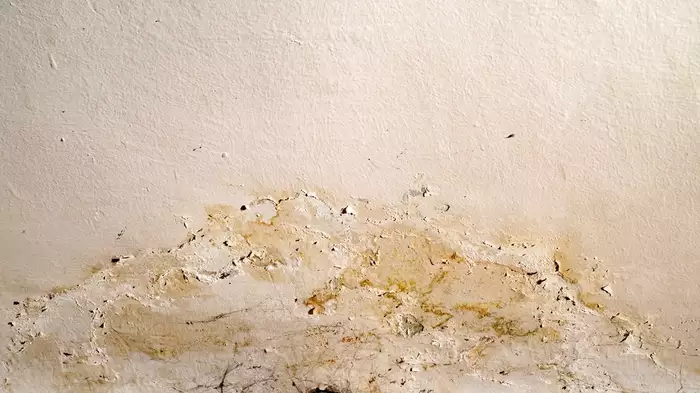
The most common signs include water stains along the base of your basement walls, musty odors on the lower level of your home, visible mold or mildew on walls or stored items, efflorescence (white mineral deposits) on concrete surfaces, damp or wet floors after rain, and cracks in the foundation that appear to be getting wider over time.
What is the average cost of a drainage system?
Costs vary based on the type of system, the size of your basement, and the severity of the moisture issue. The best way to get an accurate number for your home is a professional evaluation of your specific conditions.
Final Thoughts
Water doesn’t stop trying to get into your basement just because you haven’t seen major flooding yet. In Georgia, the conditions that cause basement moisture are constant, and the damage accumulates whether you see it or not. The right drainage system stops the problem at its source and protects your home for years to come. The sooner you address it, the less it costs and the less damage you’ll have to deal with.