

The Long-Term Cost of Ignoring Drainage Problems at Home
Trust the experts … Trotter offers lifetime warranties since 1929!
Basement Waterproofing • Crawl Space Waterproofing • Structural Repair • Drainage
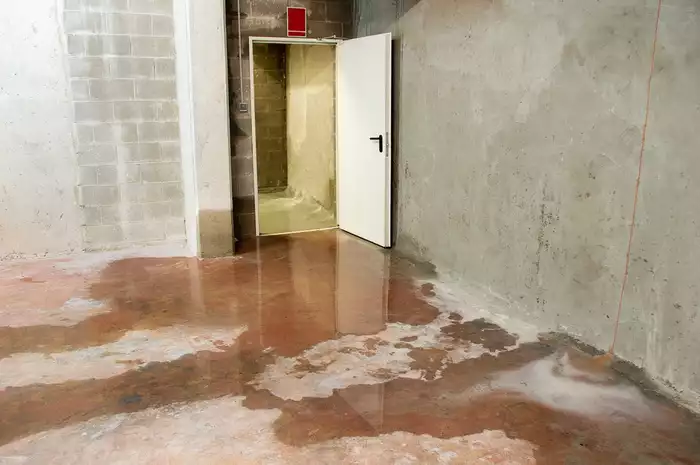
TL;DR: Everything Starts With Drainage. A minor drainage problem can become a major expense when water is repeatedly allowed to collect around your home. This guide explains how poor drainage can damage your foundation, basement, crawl space, and property—and why addressing warning signs early can help prevent more extensive repairs.
- Water damage adds up: Recurring moisture can damage drywall, flooring, insulation, wood, and personal belongings while creating conditions for mold growth.
- Your foundation can suffer: Saturated soil, particularly Georgia’s expansive red clay, can contribute to foundation movement, settlement, cracks, and damaged walls.
- Basements and crawl spaces are vulnerable: Poor drainage can lead to leaks, standing water, high humidity, musty odors, and deteriorating building materials.
- Waiting can cost more: Delaying drainage repairs may turn one water-management issue into multiple expensive repairs.
- Early evaluation matters: Trotter’s drainage evaluation can identify the source of the water and determine an appropriate solution.
Drainage problems around your home can be easy to overlook, especially when the warning signs seem minor. A small puddle near the foundation, an unusually damp crawl space, or occasional water in the basement may not feel urgent. However, home drainage problems can become more serious over time when water repeatedly collects in the wrong places.
When water isn’t properly directed away from your home, it can saturate the surrounding soil, contribute to erosion, and allow moisture to find its way into basements and crawl spaces. Over time, a drainage problem that once seemed manageable can contribute to water damage, foundation movement, damaged landscaping, and other costly repairs.
Addressing drainage concerns early can help protect both your foundation and the rest of your property. Understanding the potential long-term consequences—and recognizing the warning signs—is an important first step toward preventing a relatively small drainage issue from becoming a much larger and more expensive problem.
Small Drainage Problems Can Become Expensive Water Damage
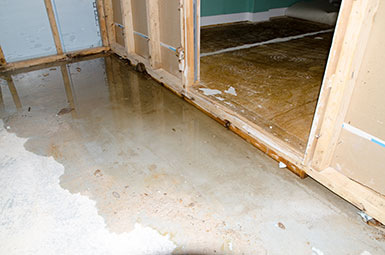
Water has a way of turning small problems into costly repairs. When rainwater consistently pools near your foundation or flows toward your house instead of away from it, moisture can eventually find its way into basements, crawl spaces, and other vulnerable areas. These drainage problems around the home may initially appear minor, but repeated water exposure can damage flooring, drywall, insulation, wood, and personal belongings.
The longer unwanted moisture is allowed to remain, the greater the potential for damage. Damp conditions can contribute to wood rot, musty odors, and an environment where mold can grow. Water can also erode soil around the property and place additional stress on foundation walls.
Neglecting to prioritize fixing home drainage problems can ultimately turn a manageable drainage concern into a much more complicated repair. Addressing the source of unwanted water early can help homeowners protect their property and avoid unnecessary damage over time.
Poor Drainage Can Put Your Foundation at Risk
Your foundation depends on the surrounding soil for stable, consistent support. When water repeatedly collects near your home, it can change the moisture levels in that soil and create conditions that contribute to foundation movement. In Georgia, expansive red clay can be especially problematic because it swells when wet and shrinks as it dries. Over time, home drainage problems can contribute to uneven soil conditions, settlement, foundation cracks, and bowing or damaged foundation walls.
These issues may begin with subtle warning signs, such as small cracks in walls, sticking doors, uneven floors, or visible cracks along the foundation. If the underlying drainage issue continues, the damage may become more extensive.
Once drainage issues begin affecting your foundation, waiting can be an expensive gamble. What starts as excess water collecting around the house can progress into serious settlement, widening cracks, or failing foundation walls. At that point, the cost to fix a drainage problem relating to your foundation may be only one part of the bill—you could also be facing significant structural repairs. Taking action before foundation damage progresses can mean the difference between correcting a water-management issue and repairing the structure supporting your entire home.
Persistent Moisture Can Create Basement and Crawl Space Problems
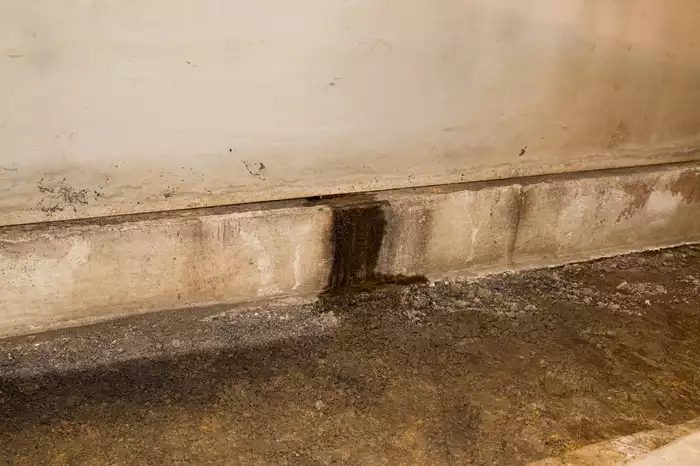
Basements and crawl spaces are especially vulnerable when water is allowed to collect around a home. Poor exterior drainage can force moisture against foundation walls, where it may eventually seep through cracks, joints, or porous materials. What begins as occasional dampness can turn into recurring leaks, standing water, musty odors, and consistently high humidity.
Persistent moisture can also damage the materials beneath your home. Wooden floor joists, insulation, and other building materials may deteriorate after prolonged exposure to damp conditions. Moist environments can also encourage mold growth, potentially turning an overlooked water issue into a much larger cleanup and repair project.
That’s why fixing home drainage problems should involve more than simply removing water after it appears. If the source of the moisture isn’t addressed, the problem can return every time rain hits. Proper drainage and waterproofing can work together to keep unwanted water out and protect these vulnerable areas of your home.
Delaying Drainage Repairs Can Increase the Overall Cost
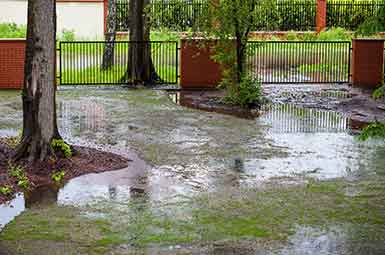
Drainage problems rarely become less expensive by ignoring them. Water that continues to pool around your home can erode soil, damage landscaping, enter basements or crawl spaces, and eventually contribute to foundation movement. Instead of dealing with one drainage issue, homeowners may find themselves paying to repair several different types of damage caused by the same source.
The cost to fix a drainage problem depends on what is causing the water issue, the solution required, and how much damage has already occurred. Correcting grading or installing a drainage system is where you should start.
Waiting for obvious damage can be a costly strategy. Addressing poor drainage when the warning signs first appear gives homeowners a better chance of stopping water before it reaches the parts of the property that are much more expensive to repair.
Know When It’s Time for a Professional Drainage Evaluation
Drainage problems don’t always announce themselves with a flooded basement or major foundation crack. Pooling water near the foundation, soil erosion, damp basement walls, crawl space moisture, musty odors, or recurring leaks after heavy rain can all indicate that water isn’t being properly directed away from your home. The sooner these warning signs are investigated, the better chance you have of addressing the source before more serious damage develops.
Trotter’s evaluation can determine where the water is coming from, why it’s collecting, and what can be done to control it. Depending on the property, the right solution may involve improved grading, exterior drainage, French drains, basement waterproofing, or other water-management measures.
Everything Starts with Drainage!
Trotter Company has been helping Georgia homeowners solve drainage, waterproofing, and foundation problems since 1929. Don’t wait for the next heavy rain to reveal how serious your drainage issue has become. Get a free estimate today and let Trotter Company help protect your home.
FAQs
What are the most common signs of a drainage problem?
Common warning signs include standing water near the foundation, soil erosion, overflowing or poorly directed runoff, damp basement walls, crawl space moisture, musty odors, and recurring leaks after heavy rain. Foundation cracks or settlement may also indicate that excess water is affecting the soil around your home.
Can poor drainage really damage a home’s foundation?
Yes. Poor drainage can repeatedly saturate the soil surrounding a foundation. In Georgia, expansive red clay can swell when wet and shrink when dry, creating movement that may contribute to settlement, cracks, and other foundation problems over time.
How can drainage problems around a home be fixed?
The right solution depends on where the water originates and how it moves across the property. Solutions may include grading improvements, French drains, exterior drainage systems, basement or crawl space waterproofing, or a combination of methods. A professional drainage evaluation from Trotter Company can help determine the appropriate solution for your home.