

Why Experience Matters in Basement Waterproofing and What Can Go Wrong
Trust the experts … Trotter offers lifetime warranties since 1929!
Basement Waterproofing • Crawl Space Waterproofing • Structural Repair • Drainage
TL;DR: Effective basement waterproofing requires identifying why water is entering and choosing a solution that addresses the underlying cause. This guide explains why contractor experience matters and how the wrong approach can lead to recurring water and foundation problems.
- Water can enter through foundation cracks, wall-floor joints, porous materials, poor exterior drainage, or hydrostatic pressure.
- The right solution may include interior drainage, a sump pump, crack repair, exterior drainage improvements, or a combination of methods.
- Improper waterproofing can result in recurring leaks, dampness, musty odors, damaged materials, structural concerns and unnecessary repair costs.
- Cracks, bowing walls, or settlement may indicate structural problems that waterproofing alone cannot solve.
- Trotter can properly diagnose the source of water and recommend a solution designed for long-term protection.
A wet basement can look like a straightforward problem: find where the water is coming in, seal it, and move on. In reality, basement waterproofing can be much more complicated.
Water may enter because of foundation cracks, poor exterior drainage, hydrostatic pressure, problems at the wall-floor joint, or a combination of issues. Without an accurate diagnosis, even a well-intended repair may fail to keep the basement dry.
That’s why experience matters. Trotter knows how to look beyond visible water and determine what is causing it in the first place. This is especially important when waterproofing inside your basement, where the right solution may involve managing water beneath the floor, addressing foundation cracks, installing drainage, or correcting other conditions contributing to moisture.
When waterproofing is designed or installed incorrectly, homeowners can end up with recurring leaks, dampness, damaged materials, and additional repair costs. In some cases, focusing only on the water can also mean missing signs of a larger foundation or drainage problem.
Trotter Company has been helping Atlanta-area homeowners solve basement water, drainage, and foundation problems since 1929. In this guide, we’ll explain why that depth of experience makes a difference, what can go wrong with waterproofing inside your basement, and what homeowners should know before choosing a solution.
Basement Waterproofing Is More Than Stopping a Visible Leak
When homeowners notice water on the basement floor or dampness along a wall, it can be tempting to focus on sealing the area where the moisture appears. But waterproofing a basement starts with understanding why the water is getting inside. The visible leak may only be a symptom of a larger drainage, groundwater, or foundation issue.
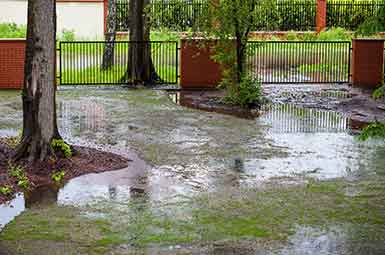
Water can enter through foundation cracks, porous concrete or masonry, gaps around penetrations, or the joint where the basement wall meets the floor. Poor grading, clogged gutters, short downspouts, and hydrostatic pressure can also contribute to basement water problems.
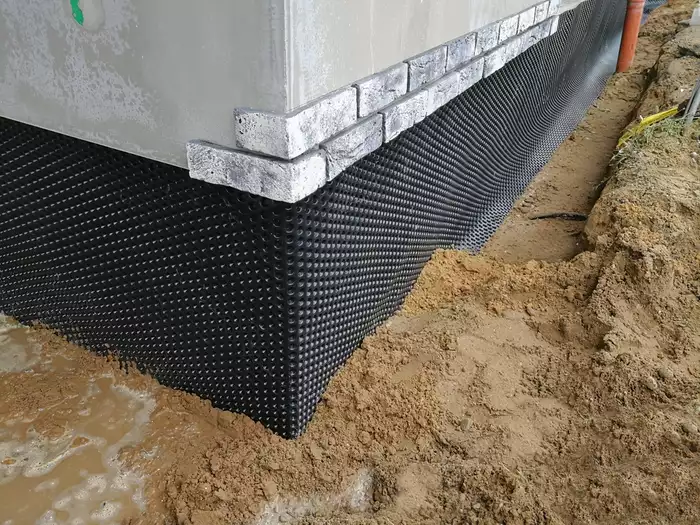
Creating a waterproof basement requires a solution designed around the source of the problem. Depending on the home, that could mean improving exterior drainage, repairing cracks, installing an interior drainage system and sump pump, or using a combination of methods. An experienced evaluation from Trotter will determine which approach will provide reliable,
Lifetime protection
Experience Helps Identify the Right Waterproofing Solution
The right waterproofing solution starts with identifying where the water is coming from and why it is entering the basement. Two homes may show similar signs of moisture but have very different underlying problems. That’s why Trotterr evaluates foundation cracks, drainage, grading, soil conditions, and areas where water commonly enters before recommending a repair.
For some homes, interior basement waterproofing may be the best approach. An interior drainage system can collect water entering around the foundation and direct it to a sump pump or gravity drain before it reaches the basement floor. Other situations may require crack repairs, exterior drainage improvements, or a combination of solutions.
Experience is especially important when basement foundation waterproofing involves signs of basement foundation waterproofing problems. Cracks, bowing walls, or settlement can indicate issues that waterproofing alone will not correct. Identifying these conditions early helps ensure the recommended solution addresses the cause rather than simply covering up the symptoms.
What Can Go Wrong with Improper Basement Waterproofing?
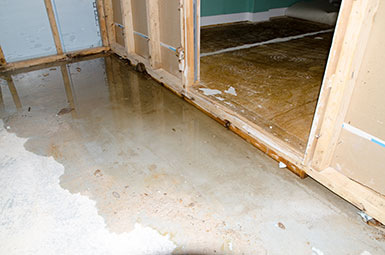
When waterproofing a basement is done incorrectly, the most common problem is that water eventually finds its way back inside. This often happens when the visible leak is repaired without addressing the drainage, groundwater pressure, foundation crack, or other condition that caused it.
Improper interior basement waterproofing can also create a false sense that the problem has been solved. Sealants and coatings may temporarily hide moisture, while poorly designed drainage systems may not collect or move water effectively. Over time, homeowners may notice new leaks, damp walls, musty odors, water stains, or damage to finished areas of the basement.
Most importantly, an incomplete diagnosis can overlook problems beyond water intrusion. Foundation cracks, bowing walls, or settlement may indicate structural movement that waterproofing alone cannot correct. A properly designed solution should address how and why water is entering while accounting for the overall condition of the foundation and drainage around the home.
Choose a Basement Waterproofing Company with a Proven Track Record
Basement water problems can have several causes, which is why choosing an experienced waterproofing company matters. A proven contractor should know how to evaluate the entire problem, explain where the water is coming from, and recommend a solution designed for your home rather than simply treating the most visible symptom. That’s why for nearly 100 years, over 100,000 homeowners have chosen Trotter.
Trotter Company has been helping Atlanta-area homeowners address basement waterproofing, drainage, and foundation problems since 1929. Our experience with Georgia homes and unique red clay conditions allows us to identify problems that may be easy to overlook and develop solutions focused on long-term protection.
If you’re dealing with a wet or damp basement, recurring leaks, or other signs of water intrusion, let Trotter Company help you determine the cause and the right way to address it.
Basement Waterproofing FAQs
What are common waterproofing mistakes?
Common mistakes include sealing visible leaks without identifying the water source, ignoring exterior drainage, using the wrong waterproofing products, and installing inadequate drainage or sump systems. Effective waterproofing starts with diagnosing why water is entering.
What is the negative side of waterproofing?
There are few downsides when waterproofing is properly designed and installed. Problems can occur when the wrong solution is used, potentially leading to unnecessary costs, recurring leaks, or moisture being redirected rather than properly managed.
What causes waterproofing to fail?
Waterproofing can fail because of poor installation, incorrect diagnosis, clogged drainage systems, sump pump failure, foundation movement, or changing exterior drainage conditions. The system must address the actual source and volume of water.
How do you know if waterproofing failed?
Signs include recurring leaks, damp walls or floors, water stains, efflorescence, musty odors, or water appearing in previously dry areas. These symptoms may indicate that the original problem was not fully addressed.
Is waterproofing a basement a good idea?
Yes. When a basement has water or moisture problems, properly designed basement waterproofing can help keep the space dry and protect the home from recurring water damage. The key to a waterproof basement is choosing a solution based on the specific cause of the problem.