

What Are Early Signs of Wet Basements and Crawl Spaces in Georgia?
Trust the experts … Trotter offers lifetime warranties since 1929!
Basement Waterproofing • Crawl Space Waterproofing • Structural Repair • Drainage
TL;DR: Georgia’s humid climate and clay-heavy soil create the perfect conditions for moisture problems below your home. Catching the early signs of a wet basement or wet crawl space before they turn into major issues can save you thousands in repairs and protect your home’s structural integrity and air quality.
- Musty odors are often the first noticeable warning sign
- Visible staining and discoloration on walls and floors indicate recurring moisture
- Efflorescence on concrete surfaces signals water is moving through your foundation
- Standing water or persistent dampness means the problem is already advanced
- Georgia’s red clay soil retains water and puts constant pressure on foundations
Most homeowners don’t spend much time in their basement or crawl space, which is exactly why moisture problems in these areas can go undetected for months or even years. By the time you notice the damage upstairs, whether that’s warped flooring, peeling paint, or allergies that won’t go away, the issue below has usually been building for a while. Knowing what to look for early is the best way to stay ahead of it. Here are four signs that your basement or crawl space may have a moisture problem.
1. Standing Water or Persistent Dampness
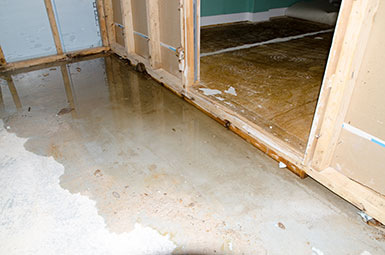
This is the most obvious sign, and by the time you’re seeing it, the problem has likely been developing for a while. Wet basements with puddles, damp floors, or water pooling near the foundation walls need immediate attention. In crawl spaces, standing water on a dirt floor or moisture dripping from pipes and ductwork indicates that the space has no effective moisture barrier or drainage system in place.
A wet crawl space doesn’t just threaten your foundation. The moisture rises into your home through a process called the stack effect, pulling damp air upward through floors and into your living areas. This can trigger respiratory issues, increase humidity levels throughout the house, and create an environment where mold thrives in places you can’t easily see.
2. Musty or Earthy Odors
This is usually the earliest and most overlooked warning sign. A persistent musty smell in your home, especially on the lower levels, almost always traces back to moisture somewhere below. When water enters a basement or crawl space and can’t dry out, mold and mildew begin growing on wood framing, insulation, and organic materials. That growth produces the earthy, stale odor that eventually works its way up into your living space.
In Georgia, where humidity levels stay elevated for months at a time, a damp crawl space can start producing these odors well before you see any visible signs of water. If you notice the smell getting stronger on humid days or after rainfall, that’s a strong indicator that moisture is getting in below your home.
3. Staining and Discoloration on Walls and Floors
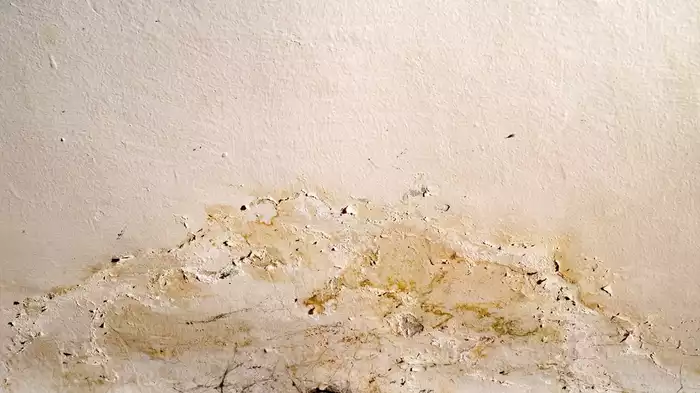
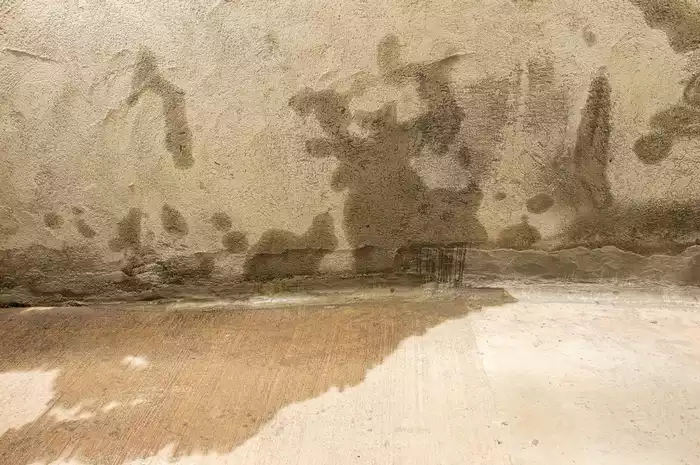
Water leaves evidence behind. If you see yellowish or brownish stains on your basement walls, dark streaks running down the concrete, or discoloration on the floor near the base of the walls, moisture has been making its way in repeatedly. Wet basement walls often show tide marks where water has risen and receded over time, and these stains tend to be most visible in corners and along the joint where the wall meets the floor.
In crawl spaces, look for dark staining on wooden joists, subfloor, or support beams. This discoloration is often the beginning of wood rot, which can compromise structural integrity if it’s left unaddressed. Any visible staining means the problem isn’t a one-time event. It’s a recurring pattern.
4. White Mineral Deposits on Concrete
If you notice a white, chalky, or crystalline substance on your basement walls or floor, that’s efflorescence. It happens when water moves through the concrete, dissolves the minerals inside, and deposits them on the surface as it evaporates. Efflorescence itself isn’t harmful, but it’s a clear signal that water is actively migrating through your foundation.
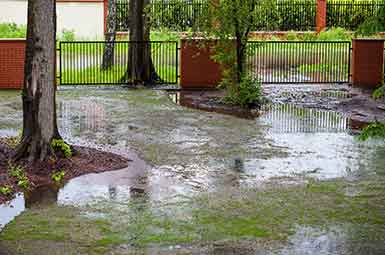
This is particularly common in Georgia homes built on clay soil. The red clay retains water like a sponge and puts hydrostatic pressure against your foundation walls after heavy rain. Over time, that pressure pushes moisture through even small cracks and pores in the concrete. Efflorescence is your foundation telling you that water is finding a way in.
FAQs
How do you know if you have moisture in a crawl space?
The most reliable indicators are musty odors in your home, visible condensation on pipes or ductwork, dark staining or mold growth on wooden framing, sagging or soft insulation, and foggy or damp conditions when you open the crawl space access door. A humidity reading above 60% inside the crawl space confirms that moisture levels are too high and need to be addressed.
What are signs of poor basement drainage?
Look for water stains along the base of the walls, cracks in the floor or walls with moisture seeping through, efflorescence on concrete surfaces, a sump pump that runs constantly, and puddles forming after rain. If your gutters are overflowing or your downspouts discharge too close to the foundation, those are contributing factors that make poor drainage worse.
Final Thoughts
Moisture problems below your home don’t fix themselves, and they don’t stay below your home for long. If you’re noticing any of these signs in your basement or crawl space, the sooner you address the issue, the less damage it will cause and the less it will cost to fix. Georgia’s soil and climate put constant pressure on your foundation, and the right waterproofing solution from Trotter can protect your home for decades.