

What Causes Foundation Settlement in Georgia Homes?
Trust the experts … Trotter offers lifetime warranties since 1929!
Basement Waterproofing • Crawl Space Waterproofing • Structural Repair • Drainage
TL;DR: Foundation settlement in Georgia homes is largely driven by the state’s clay-heavy soils, which expand and shrink with seasonal moisture changes. Combined with Georgia’s wet-dry weather cycles, poor drainage, and tree root activity, the conditions here create persistent stress on residential foundations.
- Poor drainage and plumbing leaks can erode soil and create voids beneath your hom
- Georgia’s expansive clay soils shrink and swell with moisture, putting constant pressure on foundations
- Seasonal drought and heavy rainfall cycles accelerate soil movement under slabs and footings
- Early warning signs include sticking doors, diagonal cracks in drywall, and gaps around windows
Foundation settlement is one of the most common and most stressful structural concerns facing Georgia homeowners. The state’s climate and soil conditions create the perfect storm for foundation movement, and many homes experience some degree of settling over their lifetime. A little settling in a newer home isn’t unusual. What’s not okay is when that movement becomes uneven, progressive, or starts affecting the livability of your home.
Several factors unique to Georgia contribute to foundation problems, and in most cases, it’s not just one thing at work. It’s a combination of soil behavior, weather patterns, drainage, and site conditions all acting together. Here’s a closer look at the main causes.
Poor Drainage and Water Intrusion
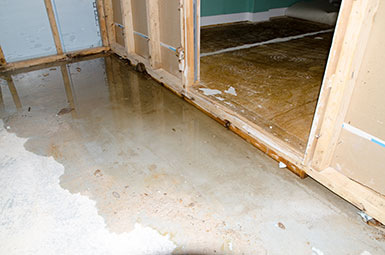
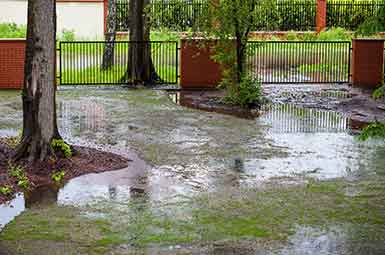
Everything starts with drainage. Water that doesn’t drain away from your home properly is one of the leading contributors to foundation settlement. When gutters are clogged, downspouts discharge too close to the house, or the yard slopes toward the foundation instead of away from it, water pools against the foundation walls and soaks into the soil below.
That excess moisture does two things: it adds hydrostatic pressure on the foundation walls, and it can soften or erode the load-bearing soil layer, creating voids. Once a void forms under a footing or slab, there’s nothing supporting that section and the foundation drops to fill the gap.
Expansive Clay Soils
Georgia sits on some of the most problematic soil in the Southeast. Much of the state, particularly the Piedmont region, stretching from Atlanta down through Macon is covered in dense red clay that has a difficult relationship with water. When it’s wet, it swells. When it dries out, it shrinks and pulls away from whatever it’s supporting.
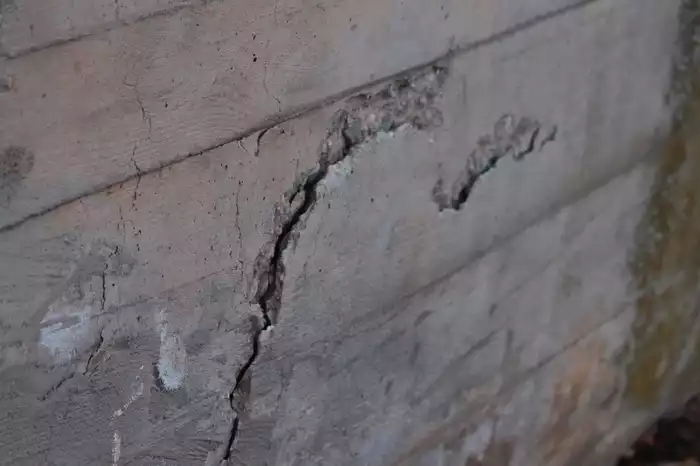
That constant cycle of expansion and contraction puts repetitive stress on your foundation. Over years and decades, the movement adds up. Slabs can crack, footings can shift, and sections of the foundation that were once well-supported can lose contact with the soil entirely. It’s a slow process, but the cumulative damage can be significant and expensive.
Seasonal Drought and Rainfall Cycles
Georgia’s weather swings between heavy rainfall and dry spells, sometimes within the same season. That kind of variability is tough on any foundation, especially when you’ve got clay soil underneath. A wet spring saturates the ground and causes the soil to push upward. A dry summer pulls moisture out of the clay, causing it to shrink and drop.
The foundation doesn’t always move uniformly during these cycles. One corner of the house might sit on soil that dries out faster than another, leading to differential settlement where different parts of the foundation move at different rates. That’s when you start noticing the visible warning signs: sticking doors, diagonal cracks running from window corners, gaps opening up between walls and ceilings.
Poor Initial Construction and Soil Compaction
Not all foundation settlement comes from natural conditions. Sometimes the problem starts before the first brick is ever laid. If fill soil used to level a building site isn’t properly compacted during construction, it’ll continue to compress under the weight of the home for years after completion. This is especially common in subdivisions built on previously graded land where large volumes of fill were brought in to shape the lots.
Under-designed foundations can also lead to long-term settling. Footings that weren’t sized correctly for the soil’s bearing capacity, or for the load they’re supporting, gradually sink over time. Homes built during periods of rapid development where geotechnical investigation was minimal are particularly prone to this kind of issue.
Frequently Asked Questions
How do I know if my home has foundation settlement?
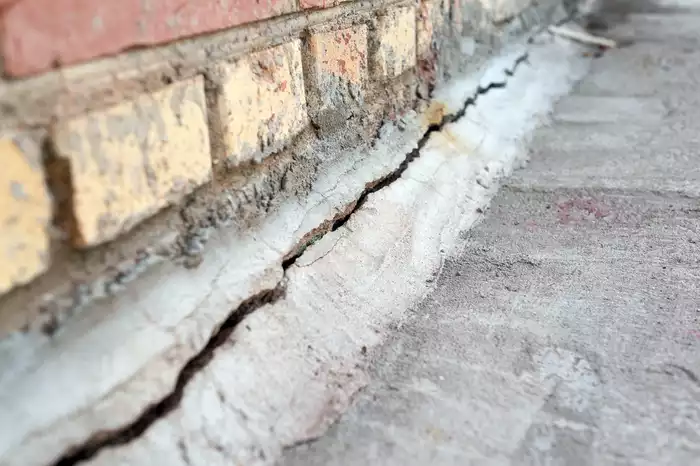
Common warning signs include doors and windows that stick or won’t close properly, diagonal cracks running from the corners of door or window frames, cracks in brick or block exteriors, gaps between walls and the ceiling or floor, and uneven or sloping floors. If you’re seeing multiple signs at once, call Trotter sooner rather than later.
Are some foundation settlement cracks normal in Georgia?
Yes. Some degree of settling is expected, especially in the first few years after a home is built. Uniform settlement, where the entire foundation lowers gradually and evenly, is generally less concerning than differential settlement, where different parts of the foundation move at different rates. That uneven movement is what causes structural damage and the cosmetic issues you’d notice throughout the interior.
Can I prevent foundation settlement?
Making sure your yard slopes away from the home is one of the most effective things a homeowner can do. You can’t eliminate all risk, but you can reduce it significantly. Keeping gutters clean, directing downspouts away from the foundation, maintaining consistent soil moisture during dry spells, and avoiding large trees too close to the house all help.
Final Thoughts
Foundation settlement in Georgia is a reality many homeowners will face at some point, and the state’s soil and climate conditions mean the risk doesn’t go away on its own. The good news is that catching it early makes a significant difference, both in terms of foundation settlement repair options and cost. If you’re noticing cracks, sticking doors, or uneven floors, don’t wait to get it evaluated. Get a free estimate for foundation inspection from Trotter and find out exactly what you’re dealing with.