


What Are the Signs of Foundation Problems?
Trust the experts … Trotter offers lifetime warranties since 1929!
Basement Waterproofing • Crawl Space Waterproofing • Structural Repair • Drainage
TL;DR: Foundation problems rarely appear overnight. They develop gradually over months and years, sending warning signs through your walls, floors, doors, and windows long before the damage becomes severe. Catching the early signs of foundation problems gives you the chance to address the issue while repairs are still manageable and affordable. Georgia’s clay soil makes homes in this region especially susceptible to foundation movement.
- Cracks in walls, ceilings, and exterior brickwork are the most visible indicators
- Sticking doors and windows signal structural shifting
- Uneven or sloping floors point to failing support beneath the home
- Gaps between walls and the ceiling or floor indicate differential settlement
- Most foundation issues get worse and more expensive the longer they’re ignored
Your foundation supports everything above it, and when it starts to move, the rest of your home moves with it. The tricky part is that signs of foundation problems don’t always look like foundation problems at first glance.
A door that suddenly sticks, a crack above a window frame, or a floor that feels slightly off can all seem like minor annoyances. But when several of these symptoms show up at the same time, they’re usually telling you something is happening beneath your home that needs attention.
Here’s what to watch for and what each sign means.
Cracks in Interior Walls and Ceilings
This is one of the most common early signs of foundation problems homeowners notice. Small hairline cracks around door frames are normal in newer homes as they settle, but diagonal cracks that run from the corner of a door or window upward toward the ceiling are a different story. These indicate that one section of your foundation has shifted relative to another, putting stress on the framing and drywall above.
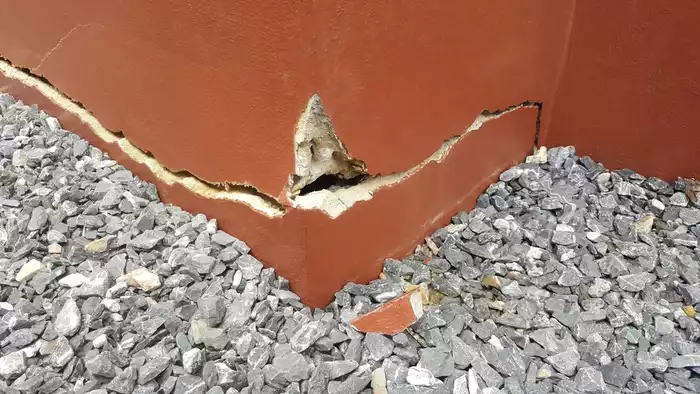
Horizontal cracks in basement or crawl space walls are even more concerning. They typically signal lateral pressure from saturated soil pushing inward against the foundation wall. If you’re seeing cracks that are wider than a quarter inch, growing over time, or appearing in multiple locations throughout the house, it’s time to call Trotter.
Sticking Doors and Windows
When your foundation shifts, the frames throughout your home shift with it. A door that used to close smoothly and now drags against the jam, or a window that won’t lock because the latch no longer lines up, are classic signs of house foundation problems. The frames are no longer square because the foundation beneath them has moved unevenly.
Doors and windows sticking at the same time across different rooms is a structural concern that points to something deeper.
Uneven or Sloping Floors
Floors that slope, dip, or feel bouncy underfoot are telling you that the support system beneath them has changed. In homes with crawl spaces, this often traces back to beams or support posts that have settled, deteriorated, or lost contact with their footings. On slab foundations, it can indicate void formation where soil has washed out or compressed unevenly beneath the concrete.
If you can feel a noticeable slope when walking across a room, or if furniture leans slightly without explanation, the foundation or internal support structure has likely moved enough to warrant inspection or floor stabilization.
Poor Drainage
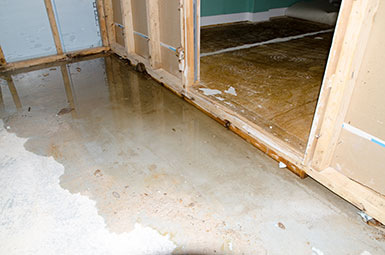
Everything starts with drainage. If water of ponding near your foundation walls and not addressed by Trotter, this will eventually lead to structural and foundation problems.
Gaps Between Walls and the Floor or Ceiling
When a foundation settles unevenly, different sections of your home move at different rates. This creates visible gaps where walls pull away from the ceiling, separate from the floor, or detach from adjacent walls at the corners. You might also notice gaps forming around exterior trim or where a porch meets the main structure.
These separations indicate differential settlement, which means the foundation is no longer providing uniform support across the entire footprint of the home.
Exterior Cracks in Brickwork or the Foundation Itself
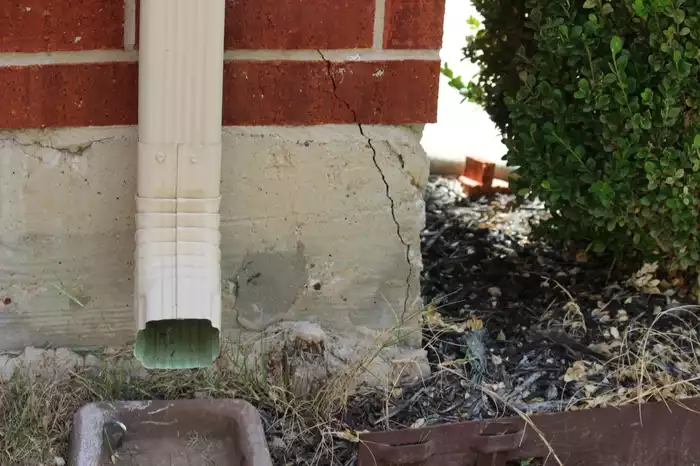
Walk around the outside of your home and look closely at the foundation walls and any brick or stone veneer. Stair-step cracks following the mortar joints in brickwork are one of the most recognizable signs of foundation movement. Vertical cracks in poured concrete foundations, especially those wider at the top than the bottom, indicate one side of the wall is dropping.
Home foundation problems show up on the exterior because rigid materials like brick, stone, and concrete can’t flex the way wood framing does. They crack instead, and those cracks tend to get worse with each season of soil expansion and contraction.
Chimney Tilting or Separation
A chimney that’s pulling away from the house or leaning to one side is a serious indicator of house foundation problems. Chimneys are heavy, and they often sit on their own footing. When the soil beneath that footing shifts, the chimney moves independently from the rest of the structure. This is especially common in Georgia where clay soil expands when wet and contracts during dry periods, creating a cycle of movement that compounds over time.
FAQs
How to tell if a house has structural issues?
Look for a combination of symptoms rather than any single indicator. Cracks in multiple walls, sticking doors and windows throughout the home, uneven floors, and visible gaps between structural components are all signals that the foundation has moved.
If you’re seeing any of these symptoms, a professional inspection from Trotter will determine whether the issue is cosmetic settlement or a structural concern that needs repair.
What are the first signs of foundation problems?
The earliest indicators are usually subtle. Small cracks appearing above door frames, a door that starts sticking for no apparent reason, or a faint slope developing in a floor that used to feel level. These early symptoms are easy to dismiss individually, but recognizing them early is the best way to catch foundation problems before they progress into major structural damage.
What does a failing foundation look like?
A failing foundation shows visible cracks in the foundation walls or slab, significant separation between the foundation and the structure above it, bowing or leaning basement or crawl space walls, and in severe cases, portions of the foundation that have visibly dropped or shifted.
Exterior signs include stair-step cracks in brickwork, a tilting chimney, and sunken or separated sections of the driveway or walkway adjacent to the home.
Final Thoughts
Foundation problems don’t fix themselves, and Georgia’s expansive clay soil means the conditions that caused the movement are still at work beneath your home. Every season of wet-dry cycling puts additional stress on a foundation that’s already compromised. The sooner you identify the issue and get a professional assessment, the simpler the repair and the less it costs.
Trotter Company has been diagnosing and repairing foundation issues in Georgia’s red clay soil for nearly a century. If you’re seeing any of the warning signs covered here, don’t wait for the damage to spread.